


Do It Yourself Hearing Aid Repair.
To support adequate hearing, we have highly advanced devices to help. Hearing aids are the smallest technology fabrications that help in amplifying the sound directly to the inner ears. The integration …
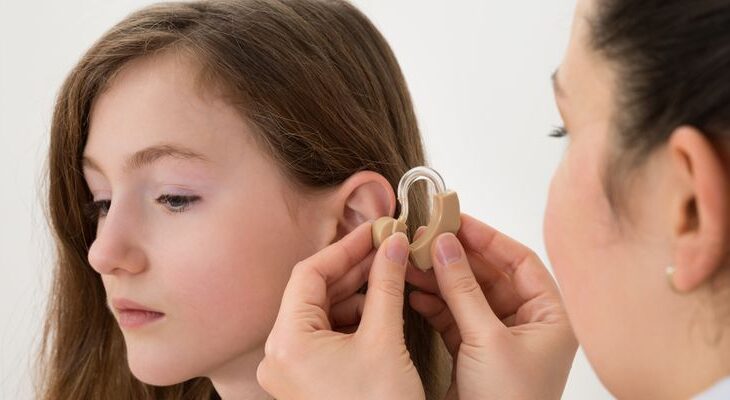
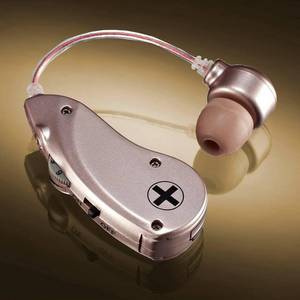
To support adequate hearing, we have highly advanced devices to help. Hearing aids are the smallest technology fabrications that help in amplifying the sound directly to the inner ears. The integration of technology is possible by minimizing the size of the components to fit within the earbud. Most of the hearing aid repairs are simple and can be resolved at the earliest by troubleshooting from home. There are a few troubleshooting methods to follow for the do it yourself attitude that we all need to embrace sooner or later so that every silly trouble gets managed from the comfort of our homes.
Troubleshoot Your Hearing Aid Issues
To start troubleshooting, you must be aware of the common parts of a hearing aid and chances of how it can get affected. Look for the user manual that came in with the packaging and keep it handy at all times to have specific instructions to follow in case of any trouble. In case you are unable to get hold of the user manual, before heading off to a hearing healthcare professional, it is best to have the device basics checked up. To begin, let us check whether the device gets turned on! It sounds silly, but most of the time, it happens that you might not have turned on the device in the first place.
 Troubleshooting Step By Step
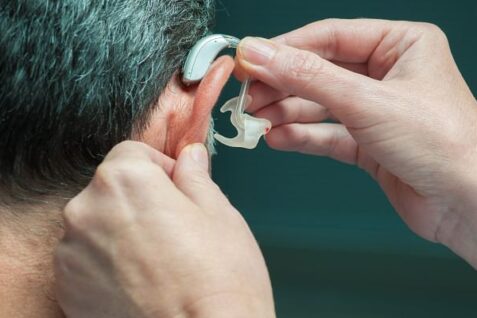
There are times when the volume is turned down accidentally or by purpose. So it is essential to make sure that the volume is at appropriate levels for optimum audibility. There are times when the battery is the culprit. Replace your batteries with fresh ones and check your device. In specific tools that use the behind the ear technology, chances of wear and tear damage are pretty high. In that case, a hearing healthcare professional can fix it quickly and with the least time. In case you notice that your device battery keeps running out pretty fast, it is a sign that you should get it checked at the earliest. There are chances that the device may still fail to operate after all the troubleshooting procedures you have undertaken. In that case, do meet your hearing healthcare professional with your hearing aid device so that they may examine it and replace it as necessary.
Preventing Hearing Aid Repairs
If you feel that you can prevent hearing aid from facing troubles, you are right! With a little bit of care here and there, the chances of making your hearing aid last a lifetime are pretty high. Hearing aid repair is often a breeze rather than what is thought by popular belief. As they say, prevention is always better than cure, and there are a few pointers to leave you with a long-running device. Keep your ears clean, so that ear wax doesn’t accumulate on your hearing aid. Try to keep the device dry and away from water or moisture to ensure that the device is not damaged.
Read More About : Learn About Hearing Aid Repair Costs
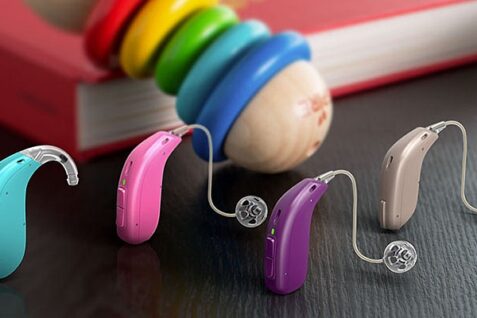
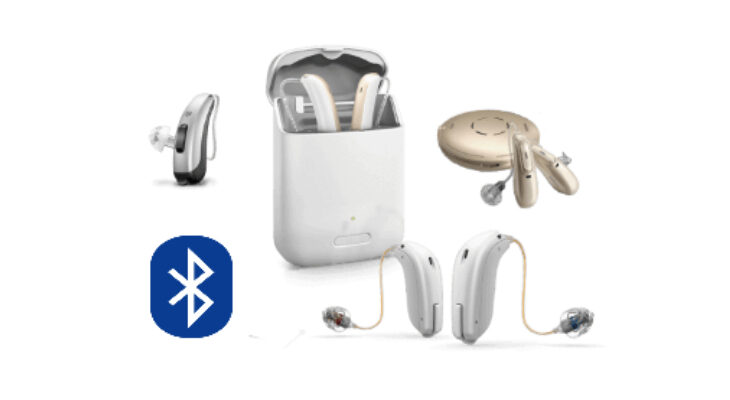
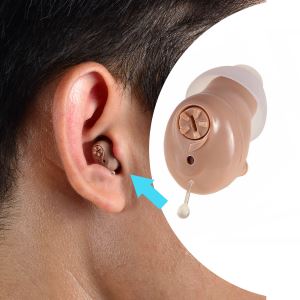 The most high rated and one of the oldest in the hearing aid manufacturing industry is Widex. It was launched in 1956 in Denmark. This technologically advanced, high quality hearing aid has loyal customers in around 100 countries. Widex has a range of hearing aid devices that can fit any pocket. The devices are competitively priced at $750 to around $3000. They have high quality sound and it is utmost comfortable to wear them. The users can fine tune and adjust the hearing aid easily without consulting an audiologist regularly for adjustments. Other advanced features in newer brands include water resistance, wireless connectivity, rechargeable batteries, tinnitus treatment and more.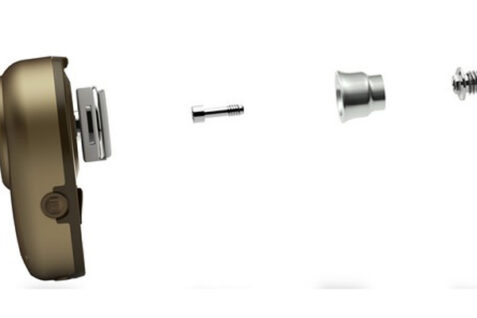
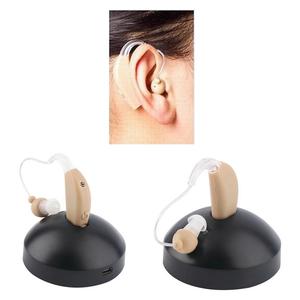
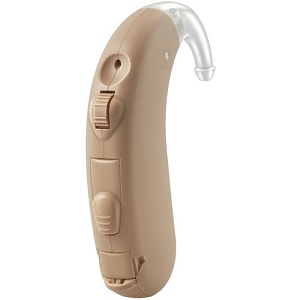 Rechargeable batteries and standard disposable batteries are the two types of batteries available for different types of hearing aids. The newer models of hearing aids come with rechargeable lithium-ion batteries. These types of hearing aid batteries are used only for behind-the-ear types of hearing aids. One must charge the battery in the night, when the hearing aid is not used. There are several manufacturers who have rechargeable hearing aid brands.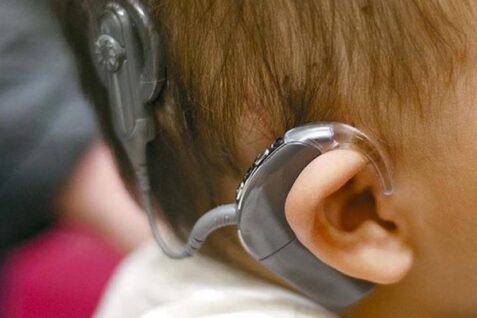
 Hearing Aid Batteries – Types